

- This event has passed.
Test Event 2 – 20 September 2026

Register here: https://www.eventbrite.com/e/explore-programme-webinar-1-tickets-109593912342
The Explore Programme is a research programme held by the Marine Science R&D Programme (MSRDP) in conjunction with St John’s Island National Marine Laboratory, which provides funding support for students 17-25 years old to undertake exploratory marine science research at the marine lab. Through the research experience, Explore aims to motivate students to develop technical skills and scientific literacy through active research interactions, moving from being passive learners to active scientists. For more information about the Explore Programme, please visit https://sjinml.nus.edu.sg/explore/.
The Potential Use of Polychaetes in Sustainable Aquaculture
Lim Jun An
Department of Biological Sciences, National University of Singapore
Abstract:
Polychaetes, or bristle worms, are marine organisms important to many ecosystems as many of them play crucial roles in nutrient recycling and are also prey to other organisms up the food chain. These worms may be of high value in sustainable aquaculture given their potential to feed on fish culture waste, thereby recycling nutrients beneficial for mud crabs. A series of experiments were performed to elucidate the suitability of polychaetes for aquaculture. Feeding trials were conducted to determine preferences of mud crabs. Selected polychaete species were cultivated with fish culture waste as feed in recirculating and static systems to determine their suitability for sustainable aquaculture. Reproductive biology and nutritional content of the worms were also examined. The results showed that the polychaetes could be cultivated in captivity with fish culture waste but more research is needed before the worms can be mass produced for sustainable use.
About the Speaker:
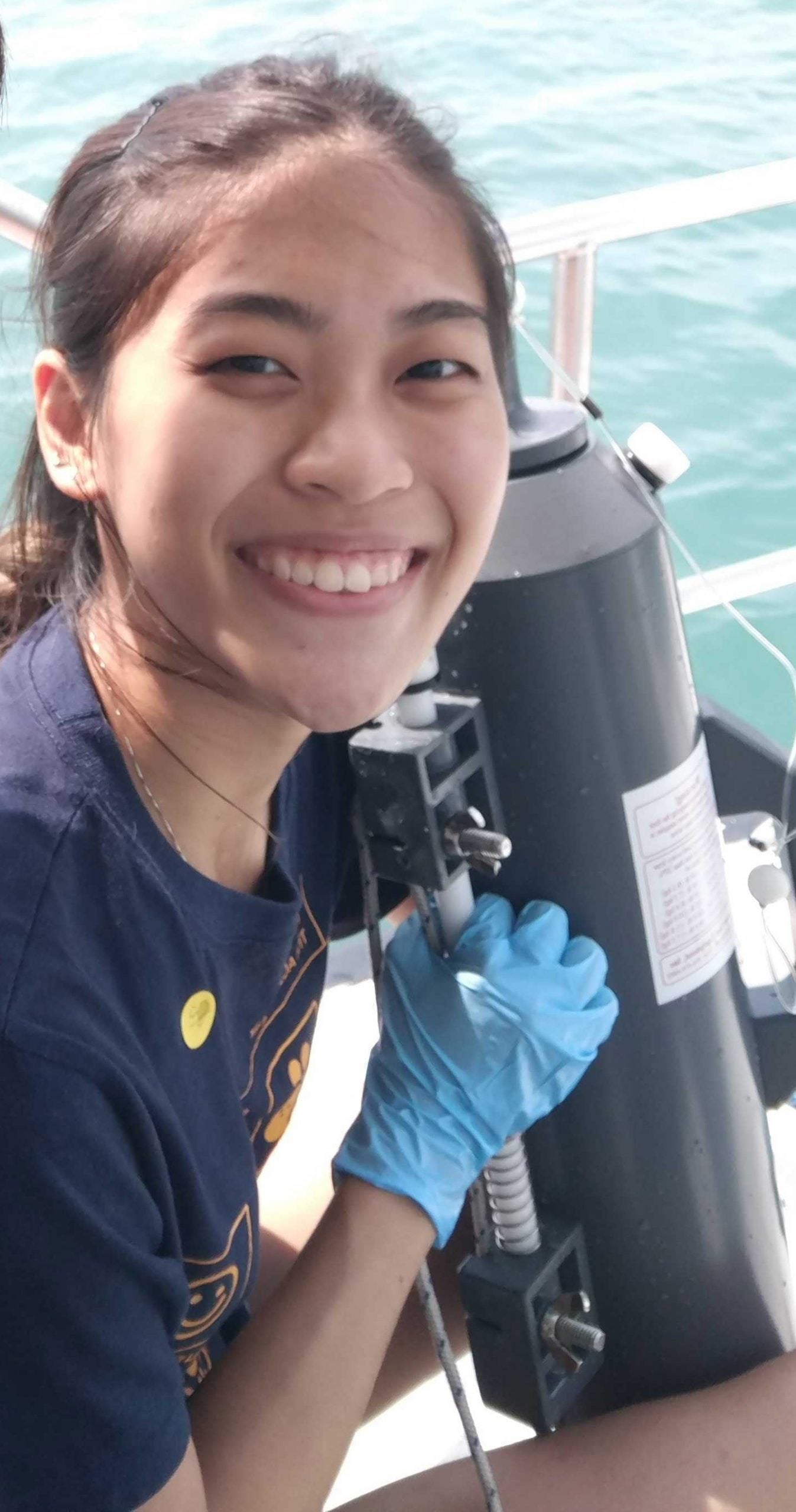
Jun An is a fresh graduate from NUS who recently completed a BSc in Life Sciences with Specialisation in Environmental Biology. His passion for aquatic ecology grew with each marine research experience during his undergraduate years, which brought him to study polychaetes in sustainable aquaculture for his honours project.
Feeding ecology of Dugong dugon in Singapore
Sirius Ng Zheng Hui
Department of Biological Sciences, National University of Singapore
Abstract:
Dugongs (Dugong dugon) are native to Singapore and are locally assessed as ‘Critically Endangered’. Understanding the autecology of this charismatic species potentially bolsters local conservation efforts of the seagrass ecosystem. In this study, I examined the diet selection of native dugongs by evaluating the characteristics of feeding trails and the associated seagrasses across five feeding sites. Halophilia ovalis displayed the highest association to native dugongs. Besides being the most abundant species in Singapore, this species possessed the lowest whole plant C:N values amongst the other assessed species. Although all correlations between dugong grazing intensity and H. ovalis C:N were insignificant, varying relationships were observed between these two factors across sites. This indicates the possibility that dugongs engage in different feeding strategies in response to the spatially varying extent of local seagrass decline between July – January. Feeding site selection in the local context was also examined by comparing the characteristics of seagrasses in feeding sites and a site where no feeding was observed. Native dugongs selected sites with higher aboveground:belowground biomass, presumably due to the way these organisms perceive their immediate environment. On the other hand, no trends were observed when plant C:N comparisons were made between feeding sites and my control site. Lastly, my project presents the preliminary results of assays conducted to assess the sustainability of local feeding sites and the efficacy of eDNA detection methods. These proxy methods of dugong research should be further explored and applied to a larger scale in future studies.
About the Speaker:
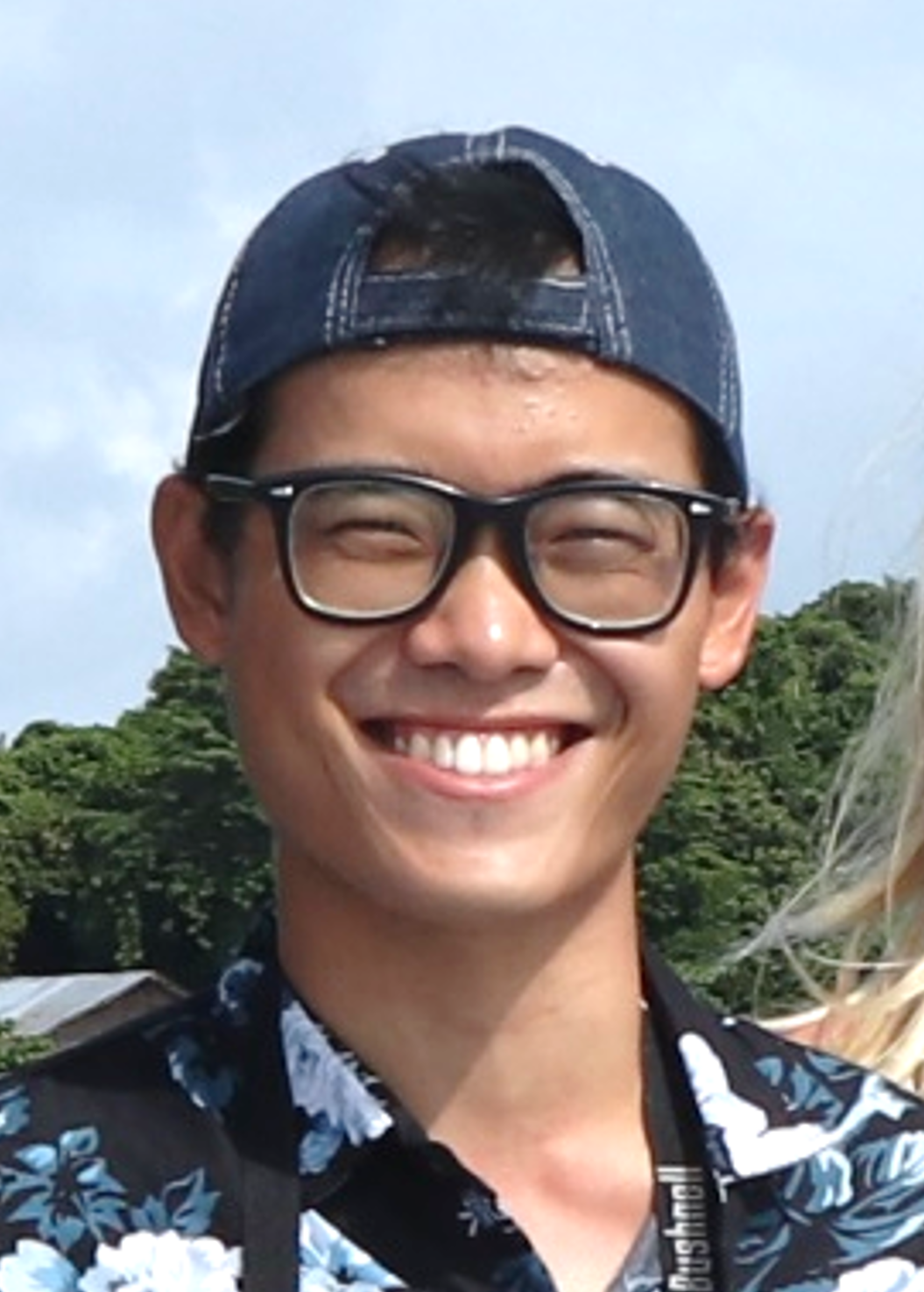
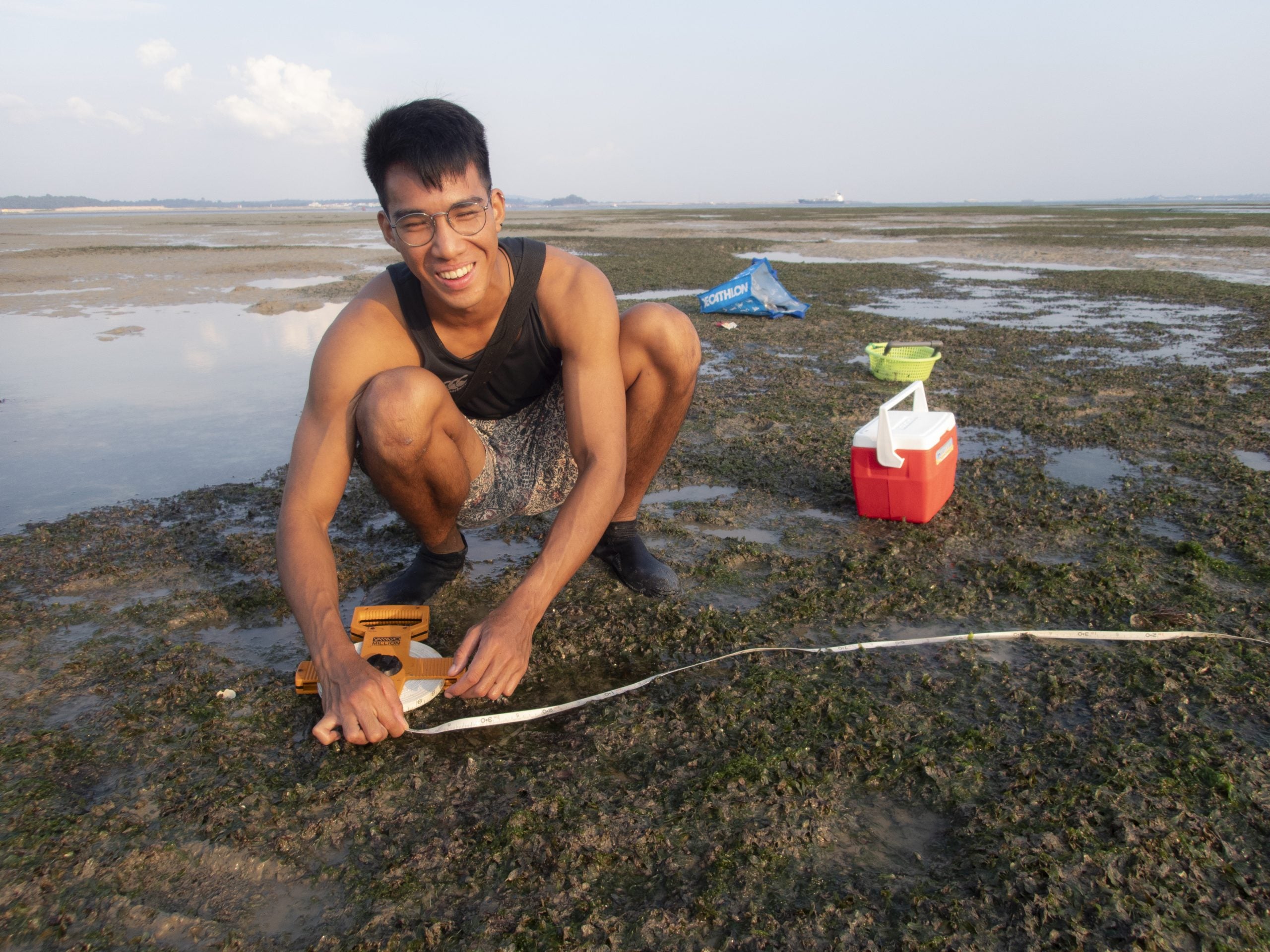
Sirius is a Life Science graduate from the National University of Singapore. His research interests lie in the ecology of marine megafauna, in particular, the interactions between marine mammals and the coastal ecosystems they utilise.
SIMPLE: Can the diversity of Singapore Marine Planktonic Eukaryotes be uncovered using culture methods?
Rae Chua
School of Biological Sciences, Nanyang Technological University
Abstract:
Phytoplankton have key ecological significance and are suited to be used as bioindicators. There is a need to improve conventional morphology-based biomonitoring approaches and evaluate metabarcoding as a biomonitoring tool. This study aims to understand the culturable diversity of phytoplankton in Singapore waters. Several isolation strategies were used, including serial dilution, flow cytometry cell sorting and single-cell pipette isolation, on marine samples collected from Singapore and Johor Straits. Isolated strains were genetically characterized by 18s rRNA sequencing and sequences were phylogenetically analysed. Sequences obtained were compared against environmental metabarcoding data. A total of 22 strains were isolated, spanning 4 divisions – Chlorophyta, Cryptophyta, Dinoflagellata, Ochrophyta. Phylogenetic analysis revealed that several isolated strains represented uncultured sequences in databases. Comparison with metabarcoding data demonstrated that culture methods uncover diversity not detected in metabarcoding. Culture methods can uncover the diversity of phytoplankton in Singapore waters and should be a continuous effort, to improve biomonitoring approaches and applicability.
About the Speaker:
Rae is graduating from the School of Biological Sciences, NTU. In the final year of her undergraduate studies, Rae narrowed down her research field of interest to marine microbiology – It tied in well with her major in Biological Sciences, minor in Environmental Sustainability, and personal interest in Microbiology! She is looking forward to pursuing a career in research and contributing to building up environmental sciences in the local research arena.